Entity 5 Week 2

Name – “Dino Search: Prehistoric Scavenger Hunt”

Frank – https://franksblog758232151.wordpress.com/

Brendan – https://etchermask.wordpress.com/

Louis – https://lousblog238092112.wordpress.com


Genre:

AR Scavenger Hunt

Audience:

Children aged 5-10 and their families


Primary Objective:

The primary objective of this project is to create an fun and educational experience for young kids and their families to enjoy. We want to utilize this advanced technology to create something that people of all ages can enjoy, and learn something while they play. This project is supposed to help kids understand the importance of the world’s history while also showing them that learning can be fun.


Introduction to Game:

The objective of the player/s is to use the provided tools(small shovel and duster) to uncover the various buried dinosaur bones and fossils that are spread throughout the sandbox. Once uncovered, the AR technology will make the fossil come alive with a unique animation for each of the bones/fossils. Each animation will make the experience come alive and add an extra sense of immersion to the exhibit. Depending on the location of the uncovered fossil, there is a chance that the animation will react to another uncovered fossil, depending on the distance. The exhibit will have the ability to change the theme depending on the day or special occasion. Some of the themes that we could do, with the AR technology are Egypt, Africa, etc…


Research:

https://www.brighthub.com/environment/science-environmental/articles/106014.aspx

https://www.nationalgeographic.com/science/2018/09/photos-dinosaurs-fossils-t-rex-triceratops-velociraptor-paleontology/


Game Control:

  • Player walks around holding a phone/tablet with the corresponding AR dig game running.
  • Tablets may be provided by group running exhibit, along with shovels and buckets to dig through sand
  • Scan  a QR code in playroom to activate activity
  • Load visual surrounding dig site one user walks to predetermined center point of activity. This would likely be the center of the sandbox space
  • From here, the player(s) would move outward and dig for the plastic figures
  • Phone/tablet vibrates when in close proximity to a potential dig
  • Once found, scan QR code attached to plastic dino to view a animation of the dinosaur
  • Dinos/plants/objects scanned in close proximity to others may fight/eat/interact with each other in animation

Interface/Information:

  • Square outline reticle centers QR code alignment
  • Drop down bar listing potential digs in top left corner
  • Bottom right lists found dinos/plants
  • Bottom left corner lists game inventory:
    • Ar dig flag site markers
    • “Journal”
    • Found objects

Game Mechanics:

  • Use tablet to initiate activity
  • Digging for plastic figures
  • Watching animation of figure that is dug up
  • Selecting digs from tablet
  • Vibrating phone/tablet when in proximity to a figure
  • Finding different types of figures such as plants, dinosaurs, and different objects

Sixty seconds of play:

The player will obtain the AR dig app on their phone. They will then reach into the sandbox and start digging out from the marked area. They will look for plastic figure and the phone or tablet will vibrate when they are in close proximity to the object. The player will find an object and then after scanning the code on the object will be able to watch an animation of the dinosaur or plant they dig up. When two object are scanned in close proximity their animations may interact on the tablet. The player then continues their dig until they find all the figures and objects.


Link to similar game:

https://www.youtube.com/watch?v=IlvZ-tOqZOg

https://www.youtube.com/watch?v=xktNGCyTtEw
 

Entity 4 Week 2

Name – “Physical Therapy, Rhythm Experience”

Will – https://wdmontgomeryserious.game.blog/

Brendan – https://etchermask.wordpress.com/

Louis – https://lousblog238092112.wordpress.com

Genre:

Rhythm  Physical Therapy

Audience:

Physical therapy patients/ Medical Practitioners, therapists, coaches

Primary Objective:

The primary objective of this project is to change the face of physical therapy, and make it easier and more accessible for the therapists to track and more appropriately help their patients.


Introduction to Game:

The game uses the Xbox Kinect motion capture ability to better work on the physical therapy aspect and help the patients have more progression and receive better help and get better faster than they would using normal therapy techniques. The game allows the therapist to have the ability to customize each session by putting in personal movements that they want the patient to try and work towards. Each session is different from the next, depending on the progress that the therapist sees from the patient. Over time, hopefully, the patient will be doing more complex movement based on what the therapist thinks they can accomplish. After each session, the user/patient will see their progress compared to last session, as well as other patients progress to compare.


Research:

https://emedicine.medscape.com/article/318436-overview

https://www.youtube.com/watch?v=dSXi4jJCBpg


Game Control:

  • A controller could be used to navigate the startup/set up menus. A controller is more reasonable for a doctor to use over stretching themselves every time they want to start up a specific motion.
  • Character model would be chosen from menu with premade area based rhythms to beat. Each rhythm represents a different area of the body with a different affliction ranging from fractures, burns, arthritis, etc.
  • Character model can be edited by selecting the desired area with a hot map in a 3D scene. This includes: Erasable models for amputees. Height, weight, circumference, and other necessary preset inputs.
  • Motion controls dictate input in the sessions. The in session menu options show as a “ring” around the player with different choices present on the ring. The user would need to literally reach in the direction of the option the want to select. Gameplay would detect the player as they keep in rhythm with the beat of game.
  • Player moves to match extremities to icons representing different points in the body to different spaces in front of the Kinect. These icons would fly in a direction across the screen, and the player would match that position with the time of the beat.
  • Beat difficulty is dictated by frequency of appearance and area to be exercised. Slower beats would constitute a slower, probably more difficult series of motions for that patient, while faster ones would come with both time and progress.

Interface/Information:

  • Startup menu contains options for both patient and doctor editing options. This allows for both doctor present and non present sessions.
  • Patient menu would open to options revolving around practicing preset/prescribed sessions, viewing the own personal record, leaving messages for the advising physician, patient portal, and an option to upload their own sound content
  • Doctor/Therapist/Physician menu would include the model editor, a library of various ailments to choose from, a notes station, patient library, patient portal, video log library of sessions for review
  • Session menu: Time, session type (intro, practice, sustained exercise)
  • Playscreen: Player model center, icons appearing flying across screen to align with body parts, musical note particle effects on match, timer (mutable), pace tracking

Game Mechanics:

  • The player strikes poses to hit different beats in the rhythm
  • Changeable workouts that can be changed prior to the session
  • Increasing difficulty as time and ability of player elapses.
  • Editable 3D character model for the player
  • Sound designed to be in tune with stretches and poses
  • On beat posturing
  • Rhythm that signifies when to do different poses and stretches on beat

Sixty seconds of play:


The game is initiated by the medical practitioner’s and depending on the different kind of physical therapy required, the patient takes over once the level has been selected by the practitioner. Following such, the patient would be required to strike a variety of poses to match the rhythm. The game would select different postures for the patient to perform to stretch the specific muscles their in physical training for while also forcing patients to perform these different postures to the beat of the rhythm, making their physical therapy appointment more fun, engaging and productive. Points would potentially be awarded to the patient by the end of the level, scoring how accurately each posture was completed.  

Link to similar game:

Guitar Hero style icon matching-  https://www.youtube.com/watch?v=runtc3Da0CE

Stretch therapy session- https://www.youtube.com/watch?v=pIhXMVRriRo

Entity 5 Week 1b

Link to group mate blogs:

Frank – https://franksblog758232151.wordpress.com/

Brendan – https://etchermask.wordpress.com/

Louis – https://lousblog238092112.wordpress.com


Introduction:

Working together with your friends and family, the players will build a structure out of KEVA blocks and see if the building will survive the weather effects like water, sand, wind etc…

Game Idea 1: “Weather the Storm”

  • Amateur architecture for the whole family
  • Approachable at all ages
  • Focus on cooperation

Genre:  Physically interactive weather affect sim


Core Mechanics:

  • Stacking
  • Positioning
  • Forward planning

Similar Mechanics:

  • LEGOS
  • BLOCKS
  • KEVA planks

Main Objective:

  • Build a structure, then see if it survives a simulated weather effect including storms
  • Teaches proper architecture practice and form, as well as testing weather effects on various types of building


How it interacts with Serious Game:


This activity is experienced in a two step process –

First, the family or group erects their building, stacking and shaping it together. This action doesn’t require the starting family to stay and finish, another group may take over their build.

Second, upon completion, the group or family may watch as their structure stand or crumbles against a simulated weather event in the room.


Introduction:

The players will have to work together to create a path for a group of hikers to safely get to their destination.


Game Idea 2: “Desert Hiking”

  • Building safe paths to get the AR hikers across from the “desert” and avoid hazards like quick sand and dangerous water
  • The player will dig in the sand as well as us KEVA planks to create these paths

Genre: Path creation

Core Mechanics:

  • The hikers will be AR and will responds to changes in the height of the sand and sense of the KEVA planks
  • The AR hikers will also react to the water and quick sand
  • The players don’t lose if the hikers hit water or the quicksand spots, they will simply just be slowed down

Similar Mechanics:

https://www.coolmathgames.com/0-wooden-path-2


Main Objective:

The main objective is to have the players work together and learn about teamwork and cooperation. We want kids and family to have the ability to bond together while also having fun

How it interacts with Serious Game:

This interacts with serious game because this isn’t about making a game, it’s about making something for friends and family to become more connected with. It’s a way to show that there is a way to make bonding more fun for families.

Entity 5 Week 1

Research:

The exhibit is somewhat like lincoln logs where the user can build whatever they want using small wooden planks. It is a free-flowing exhibit that allows creativity and that creativity should be allowed to reign even when an AR game is incorporated.

Build n’ Believe

Genre: Sandbox category building

Core Mechanics: The game will be a basic sandbox type game where the individual is given a category and they then create something that could fit in that category and an object will be displayed on the screen from the shape indicated by the board’s sensors and then they are able to name it and color it in and then add it to an ever-expanding virtual world displayed on the wall. This way each user can leave a mark on the exhibit. It is encouraged for people to work together to build their masterpiece so when they name it they can put their first names to show they created it. It will render the object in 3D using the AR board. The game is also able to work with sand instead of Keva planks.

Similar Games (mechanics and style): 

https://www.knex.com/lincoln-logs

Lincoln logs are very similar to the KEVA planks. The game is very reliant on the building and the virtual component is more of a record keeper and way to customize what the player has built so it is a very unique game.

Serious Game Objective:

The serious game objective is to enhance the KEVA planks experience with augmented reality and the game helps meet this objective. The user is now able to leave a mark on the virtual world so they are motivated to make the most interesting piece they can. It also allows for teamwork to make the world look better by helping each other. There is also extra creativity involved in how they can color and add to their object.

Unique Attributes:

  • Virtualization of what the user builds
  • Cooperative world that contains all objects made by everyone who has used the exhibit
  • Emphasis on using the KEVA planks
  • Virtual World Wall
  • Category to build off of
  • There will be monitoring to make sure there are no inappropriate objects made and added into the world.

Gettysburg Week 2

Name – “The True Gettysburg Experience”


Will – https://wdmontgomeryserious.game.blog/

Brendan – https://etchermask.wordpress.com/

Louis – https://lousblog238092112.wordpress.com


Genre:

AR treasure hunt


Audience:

The audience that we are aiming for with this project are people aged 18-35 that are either interested in learning more about history or possible relatives that had fought in the battle and/or students that are going there for school or just people that are generally interested in the history.


Primary Objective:


Make an AR game for people to have a more interactive experience during their time at Gettysburg and also attract more people to come to the park


We chose this as the primary objective because we thought that this would greatly satisfied all that was proposed by the entity. The idea of helping people to better understand the history of this nation and the people who lost their lives to protect it is the reason that we were interested in this project. The AR concept is going to make the interaction with the park more immersive and enjoyable.


Introduction to Game:


The game is an AR treasure hunt using the fields of Gettysburg and the monuments that are strewn throughout them. The game uses augmented reality to use points on the monuments to give the player information and clues for the rest of their treasure hunt throughout the fields. The goal is to get across the information but in a way that is more fun for the user and uses AR to augment the experience. The game plays throughout the entire field and acts as a guided tour with points involved.


Research:


https://www.nps.gov/gett/index.htm

https://www.history.com/topics/american-civil-war/battle-of-gettysburg

https://www.fredericknewspost.com/news/arts_and_entertainment/history/the-key-players-in-the-battle-of-gettysburg/article_c81777f8-9bc0-5998-91d8-19e0d47c0d2a.html


Game Control:


  • Touch based phone tablet experience
  • Detects QR codes with phone camera attached to various sites, monuments, and key locations in the town of Gettysburg, Pennsylvania
  • Can be modified to be more PG in playable movies or animations for younger players


Interface/Information:

  • The interface is using a tablet that you will use to take pictures of the monuments that will give you points granted you find the correct things and you will uncover information and hints that guide to the next point.
  • There will be full text boxes that pop up with information and hints on the tablet.
  • There will also be points displayed on the screen
  • Informational videos will also pop up on the tablet for the player.Using qr codes on the monuments is how they will be recognized


Game Mechanics:


  • Monuments, memorials, and other locations will have multiple QR codes added to them with scannable information about them.
  • Information given can relate to people, tactics, or developments that occurred during the historical battle
  • Setting would include options for the hard of hearing


Sixty seconds of play:


The game will commence when visitors of the park download the game to their mobile devices, most likely using QR codes which would be presented upon entrance. From there, the game would direct visitors to potential destinations and monuments across the park, which from there, visitors would then be given the opportunity to interact with the various monuments through their mobile devices and gauge information based on the Augmented Reality features throughout the game. Perhaps by pressing on different parts of the monument via the touchscreen on their mobile handheld devices, players would be able to further observe little details and facts about each monument they would have otherwise missed had they not downloaded the game. Based on the different details and information uncovered by the players, points would be given to promote players to find all the secrets to each given monument or area. After reaching a certain amount of points, the game would direct the players to another monument, perhaps different ones based on points earned.


During a typical 60 second of play, players would most likely be interacting with the different monuments via the AR accessibility feature and be collecting information and points in hopes of furthering themselves throughout the treasure hunt.


Link to similar game:

https://arvrtech.eu/products/treasure-hunt

Entity 4 Week 1

MCPHS Physical Therapy

Research:

After doing research into burn victim rehabilitation and the physical therapy program at MCPHS I was able to create a game that revolves around this research. The school has a dedicated physical therapy program and their goal is to teach about burn rehabilitation focused in the upper body area. It is important for a patient to regain movement in burned areas and this is a very slowly but helpful process when guided by a physical therapist. It tends to be a long and exhausting process and adding a game to the loop that can make the process potentially less daunting for the patient is a very helpful approach.

https://www.ncbi.nlm.nih.gov/pmc/articles/PMC3038404/

https://www.mcphs.edu/academics/school-of-physical-therapy/physical-therapy

Motion Sound

Game Genre: Rhythm game

Core Mechanics:

  • Kinect motion controls to grab and move shapes on the screen
  • Music sync’d shapes to be grabbed and moved by the player
  • Score Counter
  • Increasing difficulty that can be changed by the physical therapist to meet the ability of the patient
  • Dynamic shapes

Similar Mechanics:

Beats has a similar feel to Motion Sound and is seen in the below video.

Similar Style:

OSU! has a very similar look and style and can be seen below.

Serious Game Objective:

The serious game objective is to get the patient to work their muscles and regain movement in affected areas. The primary area of focus is the upper body region. The goal is also to be able to record information from the game so the health professional can review and analyze the data to improve treatment. The final goal of the game is to give an increasing difficulty amount based on the current performance of the patient.

How Game Will Meet Objective:

The game meets all 3 main objectives. It meets the first objective by having the patient move around using Kinect to grab the shapes and move them around in beat with the music. This will allow them to work their muscles and lead to regained movement. The game will also output data such as reaction times, range of motion, speed, etc. which will allow for in depth analysis by the health professional. The professional will also be able to raise difficulty and change different settings to best fit the patient.

Unique Attributes:

  • Kinect motion detection
  • In-depth data reporting
  • Heavy customization of difficulty and different parameters

Entity 2 Week 2

“H.S.F.T.: Horse Safety and Fire Training”


Frank – https://franksblog758232151.wordpress.com/

Brendan – https://etchermask.wordpress.com/

Louis – https://lousblog238092112.wordpress.com


Genre:

VR Simulation

First Person


Audience:


The audience that we are focusing on are firefighters, but specifically firefighters that are training and learning how to handle horses during barn fire.


Primary Objective:


Make a VR experience to try and teach firefighters about horse behavior and the proper way to help horses during a barn fire


We chose this as the primary objective because we felt that this would satisfy all the needs that the Entity presented with us. We were interested in this idea because of the good that it can do for the community. Making a game that will help people is the main reason that we were interested in taking on this project.


Introduction to Game:


( Include mechanics, story, look/feel)

We/’re going to use basic VR controls, two controllers one for each hand. The player will use the controllers to control all of the items in the game to try and give the most realistic feel to immerse the player into the game. The game will be split into two sequences, the first is a training section that is specifically focused on the horse aspect of the game. The second section will be a simulation of the barn fire aspect of the game


  • We aren’t going to have a linear story per say, but there will be a narrative in the sense that player will something to follow. It will start with the player being introduced to a fire captain and an equine expert. They will explain the goal of the game and the first sequence. The equine expert will go into detail about the behaviors and actions of horses and then will explain the most common and proper techniques of handling a horse that is in distress. After the player feels that they are prepared enough to take on a task, they will start the next sequence of the game. The second sequence starts with the player being placed into a working barn fire. We aren’t focusing on the firefighting aspect of the game, so the player will be making decisions based entire on helping the horse get out of the barn, using what they learned in the first sequence of the game. Each fire that the player will take part in will be based on a real barn fire that happened. After each fire, a firefighter from the barn fire that is was based on. They will be talking about the actions that they took and what they experience did for them.

○Research

http://flaimtrainer.com/#FLAIM%20Trainer


https://www.forensisgroup.com/expert-witness/equine/?gclid=Cj0KCQjwgOzdBRDlARIsAJ6_HNm3UtqxmjNZZWKHLlFJfQkSFOLyRlXsnUq21Hsj_6boOvYuMaqyopgaApItEALw_wcB


https://www.horsejournals.com/acreages-stables/arena-footing/barn-fires


https://www.boston.com/news/local-news/2018/01/21/nearly-four-dozen-animals-die-in-massachusetts-barn-fire


https://nypost.com/2018/06/02/24-racehorses-killed-in-upstate-barn-fire/


The mechanics that we chose for the game are the best because they make the player feel as though they aren’t playing a game, they are training for the job. The VR helps all of the players to learn about the horses in an engaging way so that the firefighters can feel like they are actually working with real horses and not just playing a game. And having the experts talk about the barn fires and the behaviors of horses in dangerous situations can help the firefighters retain the information as well as connect with the real firefighters that were in those situations.


Game Control:


  • The game will be controlled using VR and two VR controllers
  • The player will be able to look around and experience the situation as if they were a firefighter facing the actual situations.
  • The player will also use all the tools necessary by using the controllers

Score/Objective/Winning/Losing/Competition:

The goal will be to save the horses and the player will get scored based on how many firefighters survive, how many horses survive, and how quickly the player executes the job. There will be updated high score boards that will allow for the player to try better to beat the others by completing the different scenarios.

Interface/Information:

  • The player will be able to use tools given to them to complete the job
  • They also will have a water gauge that will allow them to see how much water the truck has to help put out the fire
  • They will also get a count of firefighters by their side
  • They also get a count of the target horses to save


Game Mechanics:


Horse behavior and body language

  • Firefighters interact with realistic holographic visuals  of horses in various states to see how their various movements, vocals, and facial cues can give them tells on how they’ll move. This is especially useful information to have when faced with a large animal in a high stress environment.
  • The cues include varying levels of vocal cues, eye, ear, and mouth motions on the face. Body language is critical to read as well. Watching a horse’s front end and how its kicking its feet play out its walking or running path.
  • Approach: The pace, stance, and readable body language each firefighter brings into the simulation will be reflected as if the horse were really there. If the firefighter runs up too quickly the horse may rear or even jump.
  • Establishing a connection between savior and beast is important. Once the animal knows the rescuer isn’t a threat, it will be that much easier to save and corral.

Fighting the fire

  • Horse saving isn’t the only problem, there is still of course the fire to deal with
  • Equipment, positioning, and execution of teamwork all come into play in beating each simulated fire
  • Working the hose, axing down the barn door, and deploying extinguishers are all roles to be performed in order to properly defeat the blaze


Levels and scenarios

  • There will be two base scenarios: Horses and no horses. How the firefighter approaches the fire will largely be based on this factor for the level.
  • The barns with horses to rescue will have different numbers of horses, different spawn locations for the horses, and different ages and sizes
  • The different obstacles and objects within the barn will affect how quickly the fire spreads
  • Layout to some barnes may include a second floor in the form of a basement or loft.
  • Hay, wood, feed, and the barn itself will all burn at different rates requiring some to be addressed before others, highlighting prioritization of what to put out first
  • There will be a time limit on what can be extinguished and what horses can be saved


Sixty seconds of play:


The player will start off on the truck on their way to the barn call. They will select which tools they want to bring into the fire. They will then go into the barn and look at the situation. They will then try to find the horses and use their tools to get them out. They then have the ability to scare out the horses or try to lead them out by a line. They will also be able to say commands to the other firefighters to help with saving the horses. Different challenges will also come into place such as falling beams.


Entity 3: Gettysburg Fields

For research looking into the Gettysburg Fields I found out a lot that I didn’t know about them. At first I thought it was mainly just a tour but it is mainly a place of that has many memorials to commemorate the soldiers that fought during the battle. It allows guests to see what soldiers fought and died for their cause during the battle. There are 1,328 monuments at the Fields and this will allow for so much involvement within the AR game. There is a map that guides the guests through the Fields and it can be incorporated into the interface with key locations to visit. There are also a few buildings that are open to the public on the battlefield. The battle occurred in 1863. All this information will allow an enhanced and truthful experience to the touring of the Fields.

Group blog links:

https://etchermask.wordpress.com/

https://franksblog758232151.wordpress.com/


Game: Unlocking Gettysburg

Genre: AR scavenger hunt crossword

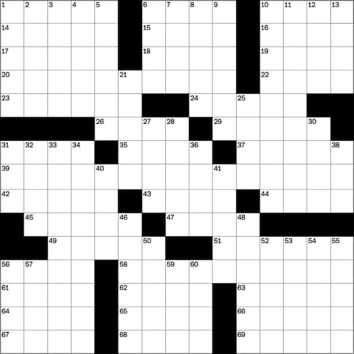
Core Mechanics: A scavenger hunt where you collect different names from monuments and when you find them the subject will appear in AR and explain their contribution to the battle. When you collect a name it appears in your bank. You then complete a crossword puzzle with all the names in your bank. You get points for every time you get a name right the first time.

Similar game Mechanics: A similar game mechanic would be in I Spy how you have to look around to find the right names. Another similar mechanic would be that of crossword puzzles like you would find in a newspaper.

pbox.jpg

The main objective:

The main objective for the entity is to provide an AR game that will allow visitors of the Gettysburg Fields to have an enhanced experience. It is also to have a fun and engaging way to teach people about the importance of the battle that took place as well as to help the legacy live but also be involved with new and enhanced technology. The goal is to help people remember by giving them an experience worth experience.

How the game will meet the objective:

The game will meet the objective by allowing for a very engaging experience. The way that the AR aspect allows you to collect names and hear the soldier’s story allows for the guest to gain useful information while being involved in a fun and engaging game experience. The endgame in the form of crossword lets the player have incentive for collecting these names and finding out the stories to be able to fill them in in the crossword puzzle. An AR experience enhances the experience of the monuments by adding to it with the melding between the real world and the virtual.

Unique attributes:

  • AR soldiers that explain their story
  • Name Collecting through AR
  • Crossword puzzle
  • Information collecting through the AR soldiers
  • Scavenger hunt

Entity 2 Week 1

Research:

For this entity the goal is to create a game to train firefighters to be able to safely save horses from barn fires. After researching the topic I found that there are many different steps to the procedure of saving the horses from the fire. First of all when attacking a barn fire there is only a limited supply of water due to the lack of hydrants in these areas. If there is an empty barn they end up just letting it burn but if there are animals in said barn they will try for possible entry. When trying to get the horses out they usually try to scare them out or grab the leash to pull them out and the horses will usually run out if they see an open door. On average 1-2 horses usually survive. The normal protocol is to call out which alarm(1,2,3), possible walk around building to check all sides to direct trucks, decide if i can send fighters in, and find out if animals are in the building. 

Sources:

https://thehorse.com/135561/a-firefighteros-perspective-on-horses/

Game Idea:

Genre:

Turn-based strategy game

Core Mechanics:

The game plays like a traditional turn based strategy where you control 4 firefighters and a fire truck. You can move and make an action for each unit each turn. You have to monitor your water supply while also scouting the building and getting the firefighters to open doors, pull out or scare horses, etc. You also have a possibility of losing firefighters or horses so you must do all you can possible to keep all firefighters an animals safe while saving the horses as effectively as possible.

Similar Games:

Main Objective:

The main objective is to train firefighters how to manage barn fires and be able to save horses from barn fires. The objective is for education of firefighters so they can do their job effectively when working with more than just humans.

How game meets objective:

This game highlights the teamwork that is needed for these kinds of missions and to be able to save the horses successfully. The game also highlights the skills needed for dealing with these circumstances. The game helps educate the firefighters and shows how the whole team has to work together to save the animals and highlights the importance of that.

Unique Attributes:

The unique attributes of this game are the turn based elements of the game that allow you to keep each firefighter safe as well as help them each execute the jobs necessary to saving the horses. Another unique attribute is the scoring system that will measure the horses and firefighters that you saved. Another important attribute is how it has multiple levels where there are different alarm fires and different amounts of savable horses.


Entity 1 Game Brief

This is the game brief for the game called To Catch a Cheater that aims towards teaching teachers to act on evidence not on implicit bias. The game also is played with multiple people so the players can learn from each other to beat their implicit bias. The game brief goes over all of this and more.

Group Blog Links:

https://franksblog758232151.wordpress.com/

https://etchermask.wordpress.com/2018/09/18/game-group-catch-the-cheater-by-brendan-j-oneil-game-3902-w01-9-18-18-game-blog-entity-1-week-2/


To Catch A Cheater


Genre: Card Game, Educational


Audience: The audience is student teachers aged 18-30 that are learning about implicit bias and how it affects their work. The entity states that the audience is those who are going into the occupation of teaching.

Primary Objective:.

  • The primary objective of “To Catch a Cheater” is to educate and raise awareness, specifically student teachers, but also all educators whether they display signs of implicit bias.
  • By playing the game, teachers will learn whether they generalize a student based on appearance or background, and if they do, strive towards learning to suppress their implicit bias.
  • The entity revolves around trying to educate educators on implicit bias in our surroundings. The reason our game idea “To Catch a Cheater” reflects on the goals of the entity is because the game forces people to generalize but strives to nitpick who the players will generalize. The hope of the game is to promote and raise awareness of people’s individual implicit bias.

Introduction to Game:

To Catch A Cheater is a tabletop educational card game,for two to ten players, that is used to educate the player on implicit bias. Each player will receive the same 5 student cards, each card will have picture of the student on the front and a short bio on the back. Each student card will have a different hint about the student on the bottom of the card. Each player will have 60 seconds to decide which student is the cheater, based only on the information available on the card (i.e. appearance/background information). Once the time is up every player will tell who they chose as the cheater and why, then the real cheater will be revealed to the players.The game has a very fast pace, allowing for multiple playthroughs in one session. Similar to Clue, the player has to decide the cheater without knowing all the information.

Mechanics:

Cards

There will be 3 decks of 50 cards. The first deck will be 3rd graders, the second deck will have 6th graders, the final deck will have 12th graders.One deck will be specifically chosen per round in order to more accurately pick the cheater. The cards shall be presented with a front and back side. Each student will have 5 individual and different cards highlighting a different aspect of their character.  Each card will have a “mugshot” frame picture of the student in the class. The back will have a short bio on the student, highlighting their name, age, and a fragment of their whole bio.

Timer

Game will provide a simple timer to be set for 60 seconds. Players have that time to review their cards and choose who they think is the potential cheater.

True Cheater Deck and Envelope

The identity of the true student cheating will be contained on a true cheater card. This card will be contained in 3 seperate grade based decks. One deck is played per round based off of which grade is chosen to assess. The deck will be placed in an envelope, remaining there until the end of the round timer. The players will reopen the envelope and reveal the identity of the cheater, drawing a single cheater card to see if they are correct or not. The true cheater deck of cards is not used outside of the selection, and each card has a backside with a short reason why the student chose to cheat.

Point Accumulation

To determine a final winner, the first person to correctly pick three cheaters will be declared the winner.

Explain how the mechanics chosen are the best ones for your Primary Objective:

These mechanics require the player to exercise their conscience ability to assess and analyze their hand of “students” and select a cheater based off of their own opinion. The game is meant to draw on our conclusions about stereotypes and background knowledge about different identifiers like appearance, race, and background.

Game Control:

Each player can only base their guess on the appearance of the student card. This forces the user to think about their bias in order to determine the cheater.

Score/Objective/Winning/Losing/Competition:

The objective is to find the cheater and whoever gets it right is awarded a point. The game keeps getting played until someone gets 3 points.

Interface/Information:

The player has cards with an image of a student and a small bio about them, including their name, where they are from, etc… These are the only details until the game reaches its end. At the end, after each player explains why they chose the student they chose, the real cheater will be revealed along with the reason that they cheated.

Main User Mechanics/Actions:

Identify Bias – Having to identify your bias and being able to use it to choose which person is the cheater.

Communication – Explaining your reasoning for choosing who you believed to be the cheater was

Levels/Environment:

N/A this is a card game. There is a single round in each game and you find who the cheater is at the end.

Obstacles, interactive elements, enemies, collectibles, npcs etc:  N/A

Describe and Explain the unique ways in which your game idea meets the needs of the theme, entity, AND objective.

  • The game meets the needs of the theme entity and objective by using the classroom setting that the people playing the game are involved in as well as using multiple players to see the thought process of not just the one person but of the multiple people and how they would approach the situation.

Sixty seconds of play:

The game will initiate with the distribution of five cards to each participant in the game and players will then have 60 seconds to determine which of the five students is a cheater. The game is played to unearth whether the players display any signs of implicit bias by deeming somebody a cheater based on appearance/background information.

Link to video of similar gameplay. Link to video or inclusion of images of similar look/style.

https://www.youtube.com/watch?v=RvTOaktJjSU